The Art of the Compact: Exploring Modern Little Home Design

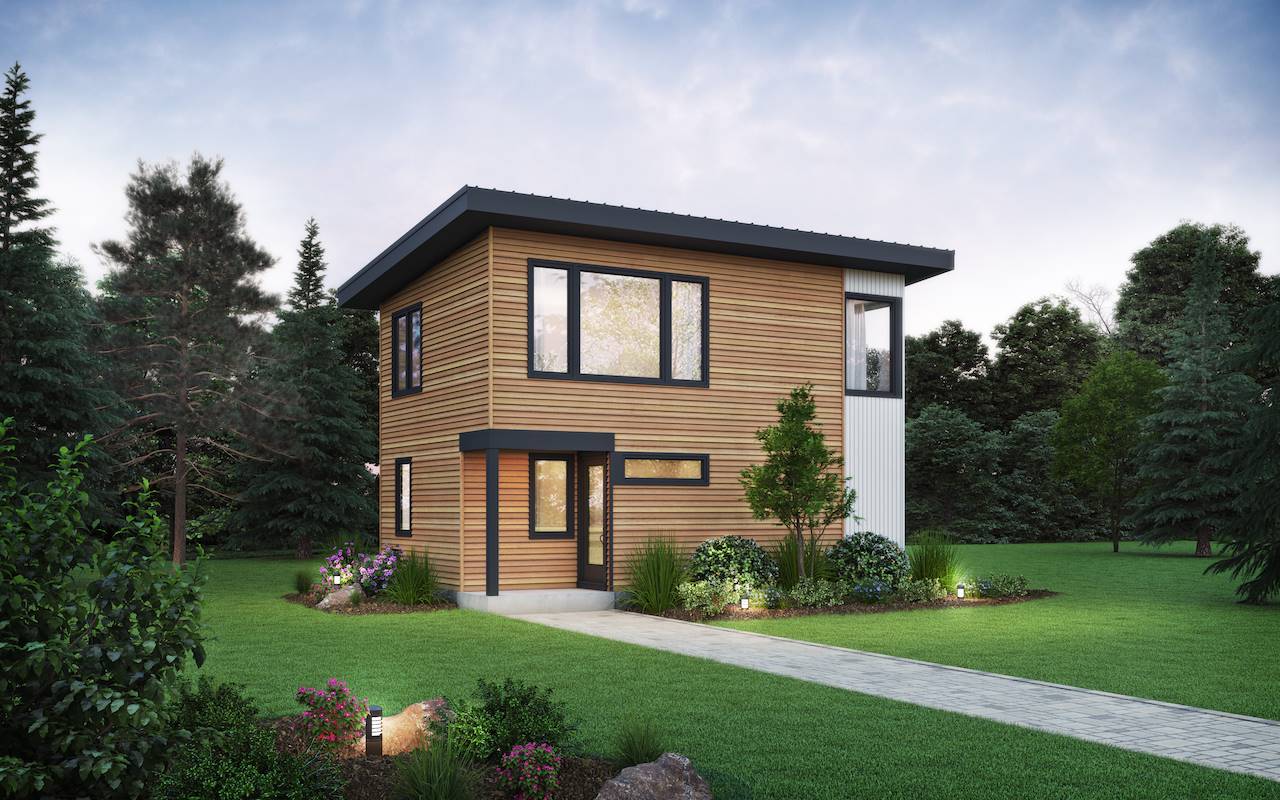
The architectural world is currently witnessing a fascinating paradox. While technology and global connectivity continue to expand, our physical living footprints are becoming more intentional and compact. The “Modern Little Home” movement is no longer just a response to housing affordability or urban density; it has become a lifestyle choice for those who value freedom, sustainability, and the beauty of curated living.

Designing a modern little home requires a complete departure from traditional architectural thinking. In a large house, a few square feet of wasted space go unnoticed. In a little home, every inch is a precious resource. Successfully creating a small modern dwelling is about mastering the balance between high-end aesthetics and rigorous functionality.


1. The Philosophy of Modern Small-Scale Living

At the heart of modern little home design is the concept of “Essentialism.” This philosophy encourages homeowners to strip away the excess and focus on the elements that … Read more

Designing for Adventure: Creating a Functional and Inspiring Boy’s Bedroom

A boy’s bedroom is more than just a place to sleep; it is a fortress, a laboratory, a stadium, and a sanctuary. Designing this space requires a unique approach that balances a child’s ever-changing passions with the adult need for practicality, organization, and a design that can gracefully evolve over time. The key is to build a timeless foundation and layer it with elements that celebrate his current interests, ensuring the room is both highly engaging and deeply functional.


1. The Foundation: Timeless Structure and Smart Color Choices

The most successful boy’s rooms are those that can transition easily from a toddler’s playpen to a teenager’s retreat without a complete overhaul. Start by investing in the core elements.

Flexible Furniture

Choose furniture pieces that are inherently versatile and built to last.

  • The Bed: Opt for a full-size (double) bed if space allows, which will accommodate him well into his teen
Read more

Essential Tips for Building a Small Home Garden

Having a beautiful, thriving garden is not a luxury reserved only for those with sprawling yards. In the age of urban living and smaller homes, a miniature garden is an achievable and rewarding project that brings nature, color, and fresh harvests right to your doorstep. The secret to success in small spaces lies not in working harder, but in designing smarter by maximizing vertical space, choosing plants strategically, and tricking the eye into perceiving greater depth. This guide provides the foundational tips for building your perfect little green oasis.


1. The Planning Stage: Assessing Your Resources and Goals

Before you purchase a single bag of soil or a packet of seeds, careful planning is the most crucial step for a small garden. Every square foot must be optimized, so understanding your limitations and goals is paramount.

Sun, Soil, and Water

First, observe your chosen location—be it a balcony, a small … Read more

The Invisible Revolution: Smart Home Technology for Seamless Living

Smart home technology has evolved far beyond novelty gadgets and voice-activated light bulbs. Today, the focus has shifted from mere connectivity to integrated intelligence, turning a collection of devices into a single, cohesive, and deeply intuitive system. The future of home automation is not about technology you see. But the seamless, almost invisible ways it enhances convenience, security, and especially, the energy efficiency of modern life. It’s an invisible revolution, working in the background to ensure the home anticipates the needs of its occupants.


1. The Core Shift: From Gadgets to Integrated Ecosystems

The initial hurdle for smart homes was always compatibility. Users were forced to manage multiple apps, different voice assistants, and a confusing array of protocols. The next generation of smart technology has solved this problem, ushering in an era of true interoperability.

Universal Connectivity

The introduction and widespread adoption of new industry standards. Such as … Read more

Home Designing for the Future: Adaptability, Wellness, and Sustainability

The modern home is undergoing a fundamental transformation. Driven by shifts in how we live, work, and interact with the planet, the design principles of the past—rigid, single-purpose rooms and a focus on pure aesthetics—are being replaced by a holistic vision. Designing a home for the future is less about chasing fleeting trends and more about investing in three enduring pillars: Adaptability, Wellness, and Sustainability. This forward-thinking approach creates resilient, comfortable, and efficient living spaces that stand the test of time.

modern home


1. The Adaptive Home: Embracing Multifunctionality

The most defining trend in future home design is the move away from compartmentalized living to dynamic, multi-functional spaces. With the rise of remote work and the need for homes to serve as offices, gyms, classrooms, and social hubs, rooms must be flexible and reconfigurable.

Flexible Floor Plans and Zoning

Future homes prioritize open-concept layouts with the clever use of ‘zoning.’ This … Read more